Roth IRA vs Traditional IRA: Key Differences for 2026
Deciding between a Roth IRA and a Traditional IRA can be a daunting task, especially when planning for a future that aligns with your financial goals. As we delve into 2026, understanding the nuances of these retirement accounts is crucial for maximizing your wealth-building strategy. In this guide, we’ll explore the key differences, benefits, and considerations to help you make an informed decision. Whether you’re an AI enthusiast, a passive income seeker, or just looking to optimize your savings, this comparison will provide clarity.
Understanding the Basics of IRAs
Individual Retirement Accounts (IRAs) serve as powerful tools for retirement savings, offering tax advantages to incentivize individuals to save. The two most popular types are Roth IRAs and Traditional IRAs. But what sets them apart?
Traditional IRAs allow you to contribute pre-tax dollars, reducing your taxable income in the year of the contribution. This means you pay taxes on the funds when you withdraw them during retirement. On the other hand, Roth IRAs are funded with after-tax dollars, meaning withdrawals during retirement are tax-free, as long as certain conditions are met.
Both account types have annual contribution limits and income eligibility requirements, which have been adjusted for inflation in 2026. Understanding these foundational elements is the first step in choosing the account that aligns with your financial strategy.
Tax Implications: Roth vs Traditional
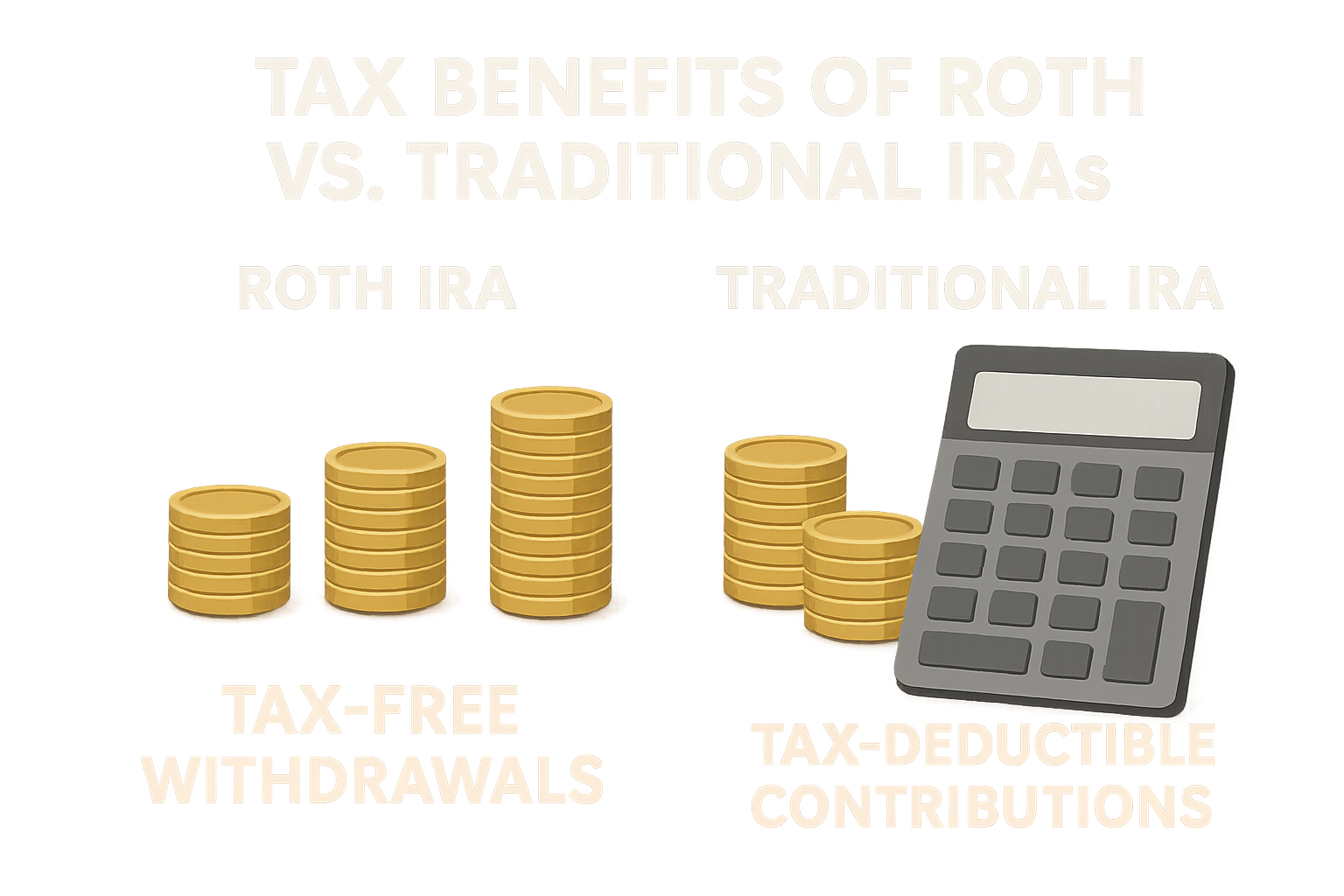
One of the most significant differences between a Roth and a Traditional IRA is how and when you pay taxes. With a Traditional IRA, you may benefit from immediate tax deductions on your contributions, potentially lowering your current tax bill. However, this means you’ll owe taxes on withdrawals during retirement, which could be higher depending on your future tax bracket.
Conversely, Roth IRAs do not offer immediate tax breaks, but they shine in retirement, allowing for tax-free withdrawals. This can be particularly advantageous if you anticipate being in a higher tax bracket during retirement.
It’s important to consider your current and expected future tax rates when choosing between these accounts. A Roth IRA might be more beneficial if you expect your tax rate to be higher in retirement, while a Traditional IRA could be better if you expect lower tax rates.
Flexibility and Withdrawal Rules
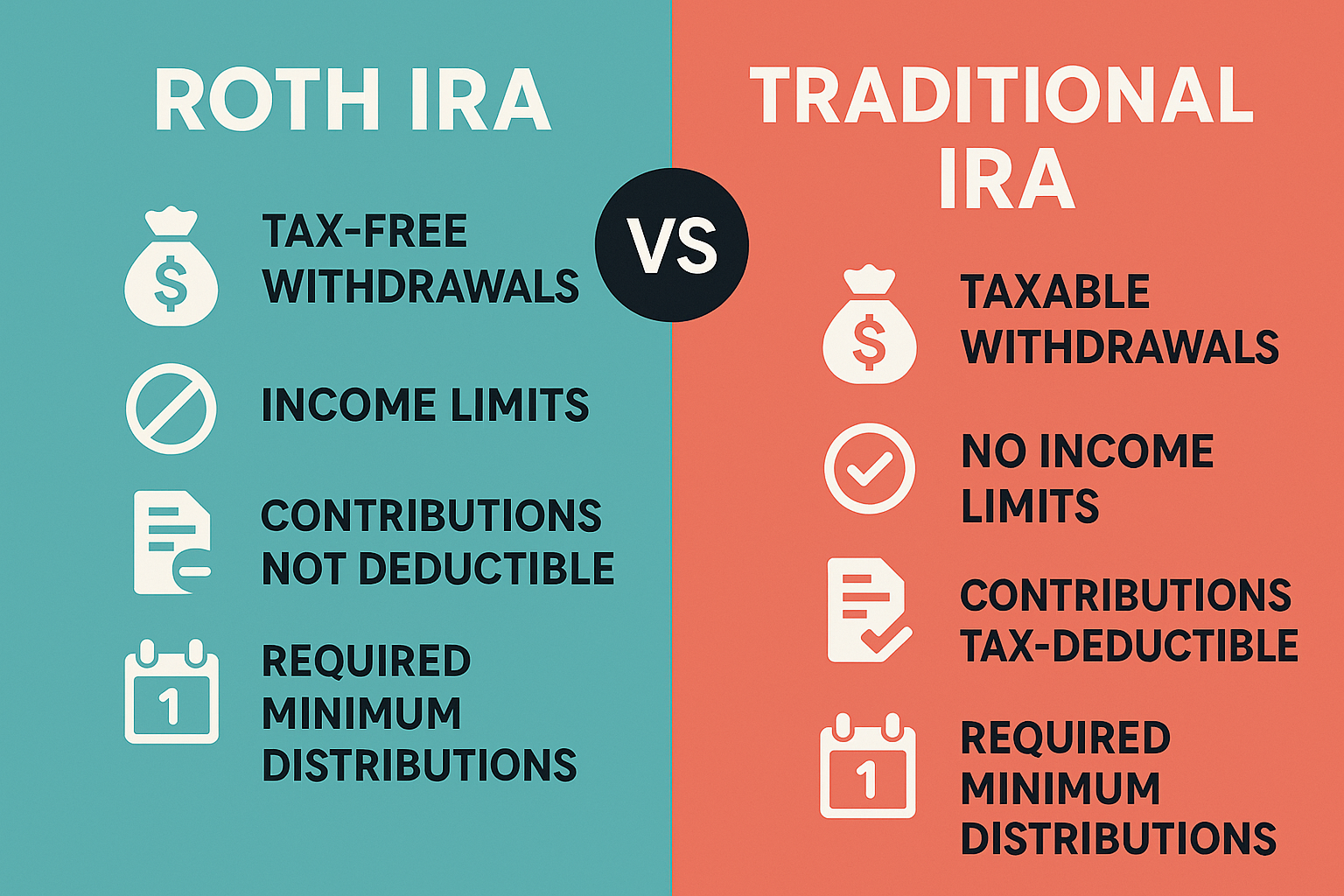
Both IRAs come with specific withdrawal rules that can impact your retirement strategy. Traditional IRAs require you to start taking required minimum distributions (RMDs) at age 72, which means you must begin withdrawing a certain amount each year regardless of your need for the funds.
Roth IRAs, however, do not have RMDs during the original owner’s lifetime, offering more flexibility in managing your retirement funds. This can be particularly beneficial if you wish to leave the funds as an inheritance or have other income sources to support your retirement.
Understanding these rules is critical for effective retirement planning, as they can significantly impact both your tax strategy and financial flexibility.
Contribution Limits and Eligibility
As of 2026, the contribution limits for both Roth and Traditional IRAs are $7,000 for individuals under 50 and $8,000 for those 50 and older. However, eligibility to contribute to a Roth IRA is phased out at higher income levels, which is an important consideration for high earners.
For a Traditional IRA, everyone can contribute, but the ability to deduct those contributions may be limited if you or your spouse are covered by a retirement plan at work and your income exceeds certain levels.
These factors should be part of your decision-making process, especially if you’re aiming to maximize your annual contributions for optimal growth.
Impact on Inheritance and Estate Planning
Roth IRAs can play a significant role in estate planning, as they allow you to pass on tax-free assets to your heirs. Since RMDs are not required, the account can continue to grow tax-free, providing a substantial benefit to your beneficiaries.
Traditional IRAs, while still valuable, require RMDs, which can affect the size of the inheritance left to your heirs. Additionally, beneficiaries will have to pay taxes on withdrawals, which can reduce the overall value they receive.
Considering these aspects is crucial if passing on wealth is part of your financial goals.
Frequently Asked Questions
What are the main differences between Roth and Traditional IRAs?
The primary differences lie in tax treatment and withdrawal rules. Roth IRAs offer tax-free withdrawals, while Traditional IRAs provide tax deductions on contributions.
How do I decide which IRA is better for me?
Consider your current and future tax brackets, retirement goals, and whether you value tax-free income during retirement or tax deductions now.
Can I have both a Roth and a Traditional IRA?
Yes, you can have both, but your combined contributions must not exceed the annual limit.
What happens if I withdraw from my IRA early?
Early withdrawals may incur penalties and taxes, with some exceptions for specific circumstances like buying a first home or certain educational expenses.
Conclusion
Choosing between a Roth IRA and a Traditional IRA depends on various factors, including your current financial situation, future income expectations, and retirement goals. Both accounts offer unique advantages, and the right choice can significantly impact your financial future. Evaluate your options carefully, consider speaking with a financial advisor, and take action to secure your retirement. For more insights on maximizing your investment strategy, check out our guide on passive income strategies.