AI-Powered Investment Apps: Are They Worth It in 2026?
In recent years, the financial landscape has been significantly reshaped by technology, with AI-powered investment apps emerging as a revolutionary tool. In 2026, investors are increasingly questioning: Are these AI tools truly beneficial for passive income and financial growth? This article will delve into the pros and cons of AI-powered investment apps, helping you decide if they align with your financial goals.
Understanding AI-Powered Investment Apps
AI-powered investment apps utilize complex algorithms and machine learning to analyze market trends and predict future movements. These apps offer a range of features, including automated trading, risk assessment, and personalized investment advice. By leveraging massive datasets, AI tools can identify patterns and opportunities that might be missed by human analysts.
The rise of these apps comes at a pivotal time when more individuals are looking to diversify their investment portfolios with minimal effort. However, understanding their functionality is crucial to maximize benefits.
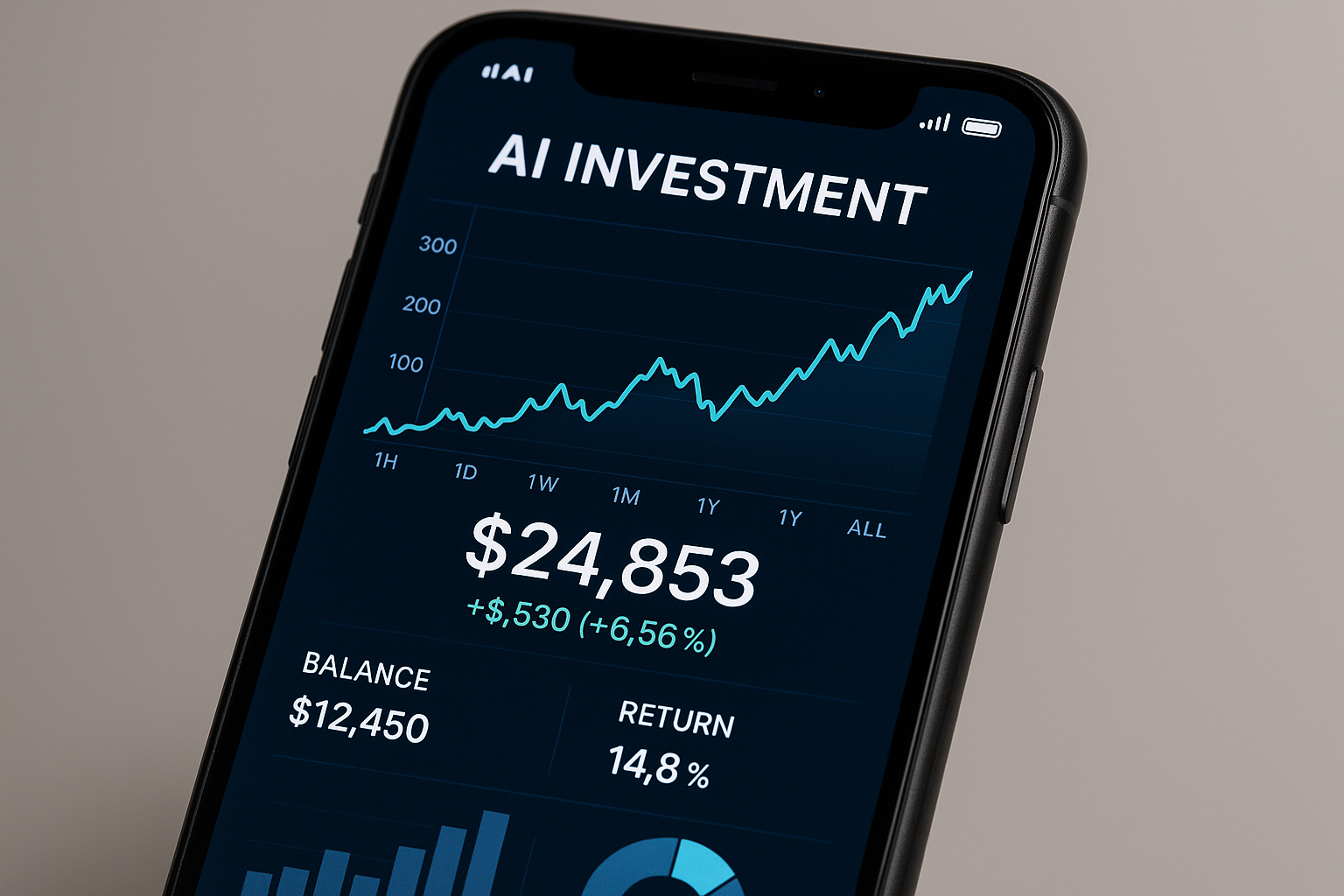
The Benefits of AI in Investment Apps
AI investment apps offer several advantages that appeal to both novice and seasoned investors. Firstly, they provide real-time data analysis, allowing users to make informed decisions quickly. This can be particularly beneficial in a volatile market where timing is crucial.
Moreover, AI tools can tailor investment strategies based on individual risk tolerance and financial goals. This personalization helps users maximize returns while minimizing potential losses.
Another significant benefit is the reduction of human error. By relying on data-driven insights, AI apps can execute trades with precision, avoiding the emotional pitfalls that often plague human investors.
Potential Drawbacks and Considerations
Despite their advantages, AI-powered investment apps are not without drawbacks. One major concern is the lack of human intuition. While AI can process vast amounts of data, it may not fully understand the nuances of geopolitical events or market sentiment that can influence stock prices.
Additionally, the reliance on algorithms means that these apps can be susceptible to technical glitches or cyber threats, posing risks to investors’ funds.
Investors should also consider the cost of using these apps. While some offer free services, others charge subscription fees or take a percentage of the returns, which can impact overall profitability.

AI Investment Apps vs. Traditional Methods
When comparing AI investment apps to traditional investment methods, several differences emerge. Traditional methods often rely on financial advisors or self-directed trading, which can be time-consuming and require significant expertise.
In contrast, AI apps offer a more hands-off approach, ideal for those who prefer automation and efficiency. However, the personal touch and tailored advice from human advisors can be invaluable, particularly for complex financial situations.
The key is to assess which approach aligns best with your investment philosophy and goals.
How to Choose the Right AI Investment App
Choosing the right AI investment app involves evaluating factors such as fees, features, and user reviews. Consider apps that offer robust security measures and have a proven track record of performance.
It’s also beneficial to test apps with a demo account or small investment to gauge their usability and effectiveness before committing more significant funds.
Researching user experiences and expert reviews can provide additional insights into the app’s reliability and customer service.
Frequently Asked Questions
Are AI-powered investment apps safe?
Most reputable AI investment apps are safe and implement strong security protocols to protect user data and funds. However, it’s essential to conduct due diligence and choose apps with a robust security history.
Can AI apps guarantee returns on investment?
While AI tools can enhance decision-making, they cannot guarantee returns. Market conditions are unpredictable, and there is always a risk of loss. It’s crucial to use these apps as part of a diversified investment strategy.
What are the costs associated with AI investment apps?
Costs vary by app, including subscription fees, transaction fees, or a percentage of profits. It’s important to understand the fee structure before investing to avoid unexpected expenses.
How do AI apps analyze market data?
AI apps use algorithms and machine learning to process large datasets, identifying trends and patterns that inform trading decisions. They can analyze historical and real-time data to predict future market movements.
Conclusion
AI-powered investment apps present a compelling option for those seeking to leverage technology for financial growth in 2026. While they offer efficiency and data-driven insights, they are best used in conjunction with traditional methods and sound financial judgment. As you explore these tools, consider your financial goals, risk tolerance, and the app’s features to make an informed decision. Embrace the future of investing with AI, but always remain vigilant and informed.