How to Make Money with AI Art: A 2026 Guide
In the fast-paced digital age, the allure of creating and selling AI-generated art is capturing the imagination of many aspiring artists and tech enthusiasts. With advancements in AI tools, producing stunning art has never been easier, paving the way for lucrative income streams. In 2026, leveraging AI to create art offers a unique opportunity to monetize creativity without requiring a traditional art background. This guide will walk you through how to create and sell AI art online, tapping into the growing market and maximizing your potential earnings.
Understanding AI Art: What You Need to Know
AI art refers to artwork created using artificial intelligence algorithms. These algorithms analyze existing artworks, learn styles, and generate new pieces that mimic human creativity. With user-friendly platforms like DALL-E, Artbreeder, and DeepArt, anyone can dive into the world of AI art with minimal technical know-how. Understanding the basics of these tools is crucial for effectively creating art that stands out.
Many AI tools offer customizable features, allowing you to experiment with different styles, colors, and compositions. This flexibility means you can produce unique art pieces that reflect personal style or cater to market trends. To get started, choose a platform that suits your creative goals and explore its features through tutorials and experimentation.
Moreover, the AI art market is expanding as more art buyers and collectors become interested in digital and AI-generated art. This growth presents a prime opportunity for creators to reach wider audiences and achieve significant sales.
Choosing the Right AI Tools for Your Art
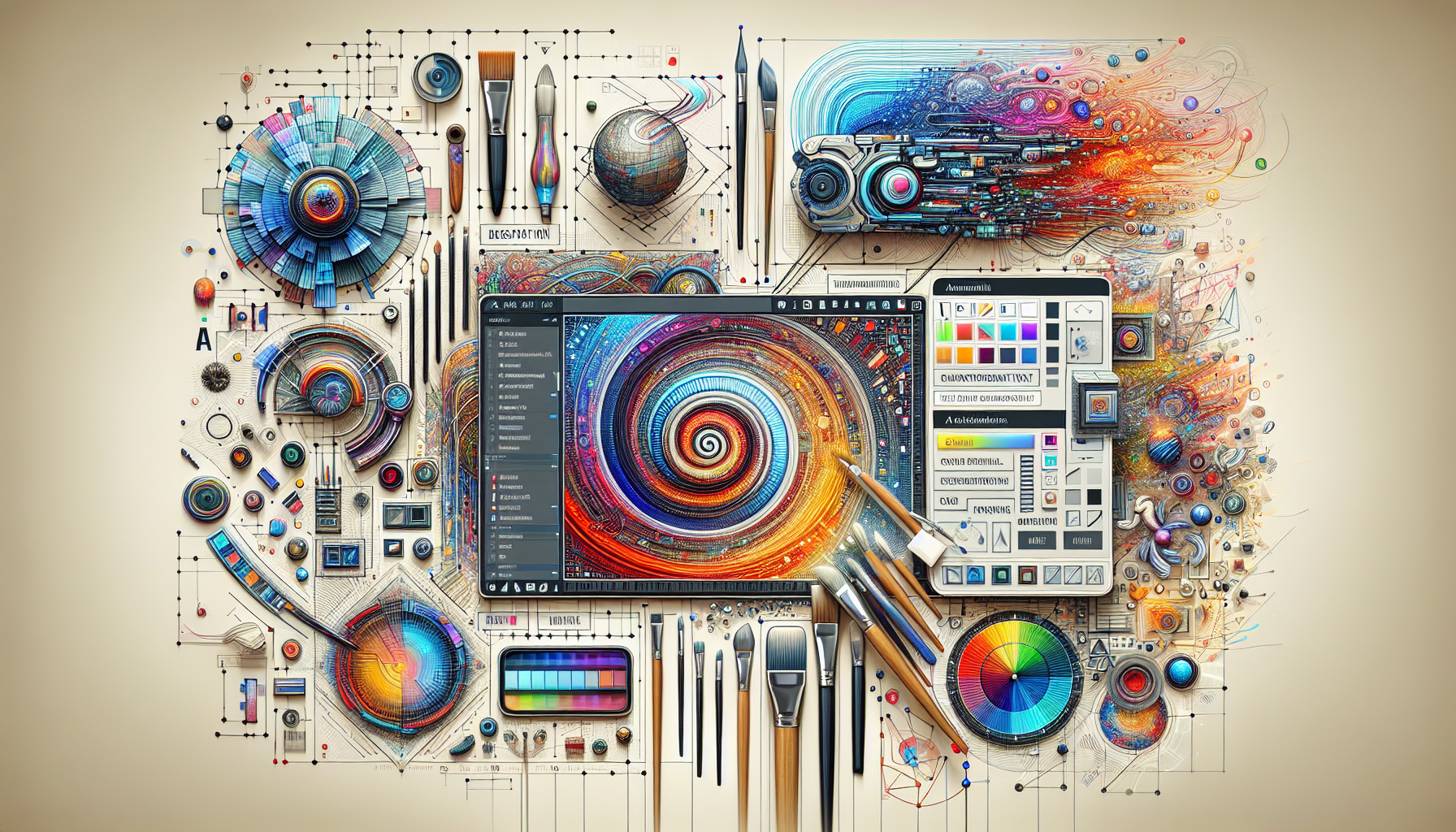
When selecting AI tools for creating art, it’s essential to consider your artistic goals and technical comfort level. Platforms like DALL-E and Artbreeder offer intuitive interfaces and community support, making them accessible to beginners. These platforms provide a range of options for style transfer, image generation, and customizations to help you create standout pieces.
For those seeking more advanced features, tools like RunwayML and DeepArt offer deep customization and integration capabilities. These tools can enhance your art with high-resolution outputs and detailed modifications, appealing to both novice and experienced creators.
Additionally, leveraging AI tools effectively involves understanding their strengths and limitations. Experiment with different tools to discover which best aligns with your creative vision and market demands. As you gain experience, you’ll be able to optimize your workflow and produce more compelling art.
Creating a Unique Art Style with AI
Developing a distinct art style is vital for standing out in the competitive AI art market. Start by exploring various art styles and techniques, then use AI tools to blend these influences into original creations. Experimentation is key—mix and match elements until you find a combination that resonates with your artistic identity.
One strategy is to focus on a niche or theme that reflects your interests or market trends. Whether it’s futuristic landscapes, abstract compositions, or AI-generated portraits, specializing in a particular style can help build a recognizable brand.
Engage with online communities and platforms to gather feedback and refine your style. Participate in art challenges and collaborations to expand your skills and network with other creators. This interaction can provide valuable insights into popular trends and emerging styles that can inform your creative process.
Setting Up Your Online Art Store
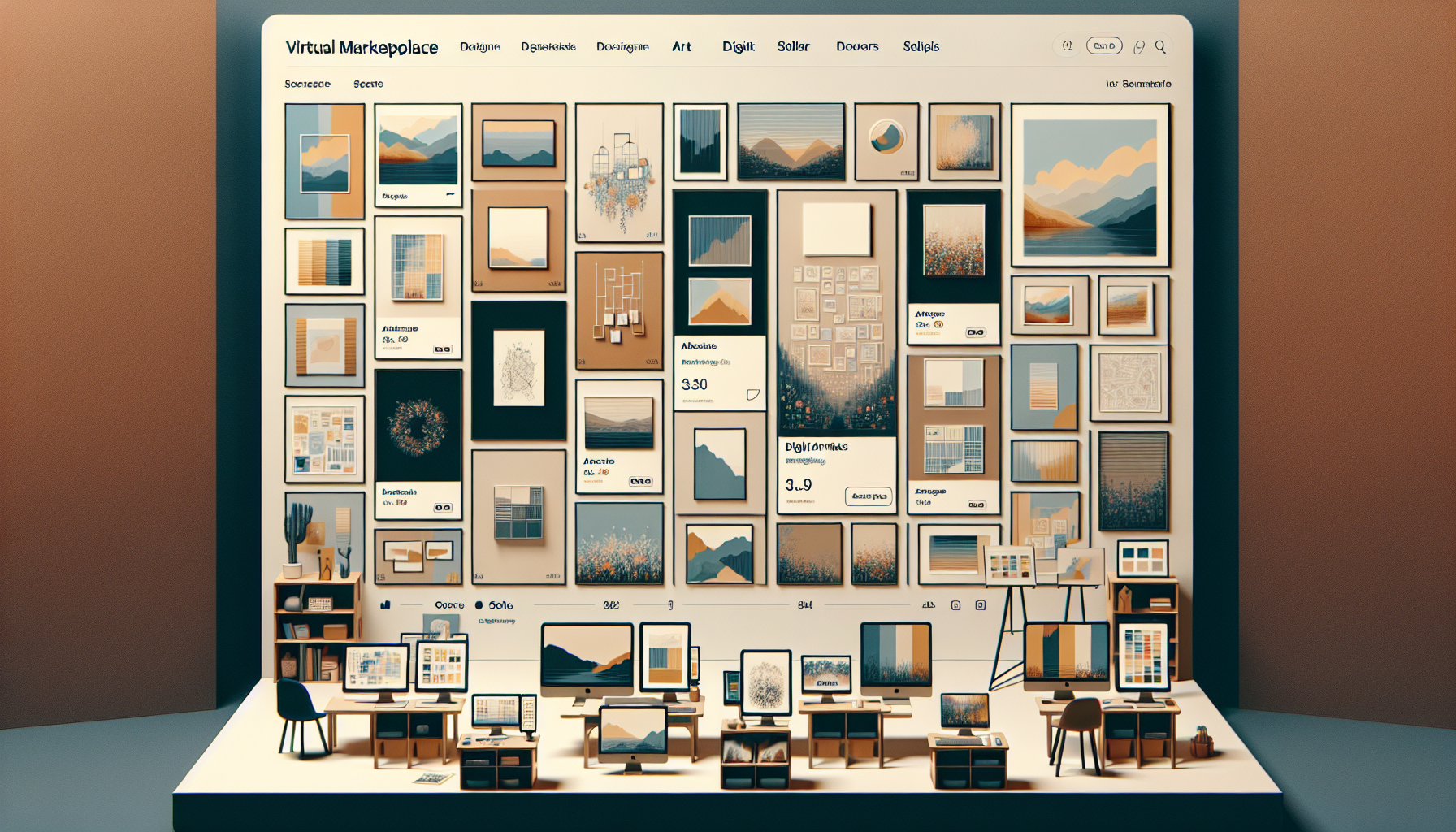
Once you’ve created a portfolio of AI art, the next step is to establish an online presence where customers can view and purchase your work. Platforms like Etsy, Redbubble, and Society6 offer artist-friendly marketplaces to sell digital and physical art prints.
Create a compelling profile and showcase your art with high-quality images and detailed descriptions. Highlight the uniqueness of your AI art and any special techniques used in its creation. This transparency can attract collectors interested in the art’s origin and creative process.
Optimize your listings with relevant keywords to improve visibility in search results. Incorporate terms like ‘AI art,’ ‘digital art,’ and specific styles to reach potential buyers effectively. Use analytics provided by these platforms to track performance and adjust your strategy as needed.
Marketing Your AI Art
Effective marketing is crucial to attracting buyers to your AI art. Utilize social media platforms like Instagram, Pinterest, and Twitter to showcase your work and engage with potential customers. Share behind-the-scenes content, creative processes, and new art releases to build a loyal following.
Consider collaborating with influencers or participating in online art exhibitions to reach broader audiences. These opportunities can provide exposure and credibility, enhancing your online presence and attracting more buyers.
Email marketing is another powerful tool—build a subscriber list and send newsletters featuring new art, special promotions, and exclusive content. Personalized communication can foster customer loyalty and encourage repeat purchases.
Pricing Your AI Art for Success
Setting the right price for your AI art can be challenging but is vital for maximizing sales. Research similar artists and market trends to gauge competitive pricing. Consider factors such as time invested, complexity, and market demand when determining prices.
Offering a range of price points—such as affordable prints and premium originals—can cater to different buyer segments and increase sales potential. Provide clear value propositions for higher-priced items, such as limited editions or signed prints, to justify the investment.
It’s also important to remain flexible with pricing. Monitor sales performance and market shifts to adjust prices accordingly. Offering discounts or promotions during special occasions can attract new buyers and boost sales.
Frequently Asked Questions
What are the best platforms to sell AI art?
Platforms like Etsy, Redbubble, and Society6 are popular for selling AI art due to their wide reach and artist-friendly features.
How do I protect my AI art from theft?
Use watermarks on digital images, and consider licensing your work through platforms like Creative Commons or using blockchain technology for verification.
What if I’m not skilled in traditional art?
AI tools are designed for accessibility, allowing anyone to create art without traditional skills. Experimenting with these tools can help you develop your style.
Can I sell AI art as NFTs?
Yes, AI art can be sold as NFTs on platforms like OpenSea and Rarible, offering another revenue stream and appealing to digital art collectors.
Conclusion
Creating and selling AI art offers an exciting opportunity to merge technology and creativity in 2026. By understanding AI tools, developing a unique style, and effectively marketing your art, you can build a successful online art business. Dive into the world of AI art, unlock your creative potential, and explore the endless possibilities of this innovative art form.