How to Use ChatGPT to Write Blog Posts That Rank on Google
In the digital age, creating content that stands out is more challenging than ever. With the rise of AI tools like ChatGPT, bloggers and content creators now have powerful allies in their quest for visibility. If you’re interested in AI tools, automation, and passive income, learning how to use ChatGPT to write blog posts that rank on Google could be a game-changer for you. In this guide, we’ll explore step-by-step how you can leverage ChatGPT to produce content that captures attention and ranks high.
Understanding SEO Basics with ChatGPT
Before diving into the specifics of using ChatGPT, it’s crucial to have a basic understanding of SEO. Search Engine Optimization (SEO) involves optimizing your content to make it more visible on search engines like Google. This means using the right keywords, structuring your content effectively, and ensuring it meets user intent.
ChatGPT can assist you by generating keyword-rich content that aligns with the latest SEO best practices. When you input specific prompts related to your niche, ChatGPT can provide suggestions for keywords and phrases that are trending in your industry. This ensures your blog posts are optimized for search engines from the get-go.
Moreover, ChatGPT can help you craft meta descriptions and title tags that are both compelling and SEO-friendly. By using these features, you’ll increase your chances of ranking higher and attracting more clicks.

Crafting High-Quality Content with ChatGPT
Quality content is at the heart of successful blogging. ChatGPT can help you generate well-researched, coherent, and engaging posts. By providing structured prompts, you can guide ChatGPT to produce content that meets your specific needs.
For instance, you can ask ChatGPT to generate an outline based on your chosen topic. This outline can serve as a roadmap for your blog post, ensuring it covers all relevant points thoroughly. Additionally, ChatGPT can help you develop subheadings and bullet points that break down complex information into digestible parts.
Using ChatGPT also allows you to maintain a consistent voice and tone across your content. By setting parameters around the style and length of your blog posts, you can ensure that every piece fits seamlessly into your overall content strategy.
Incorporating LSI Keywords for Enhanced SEO
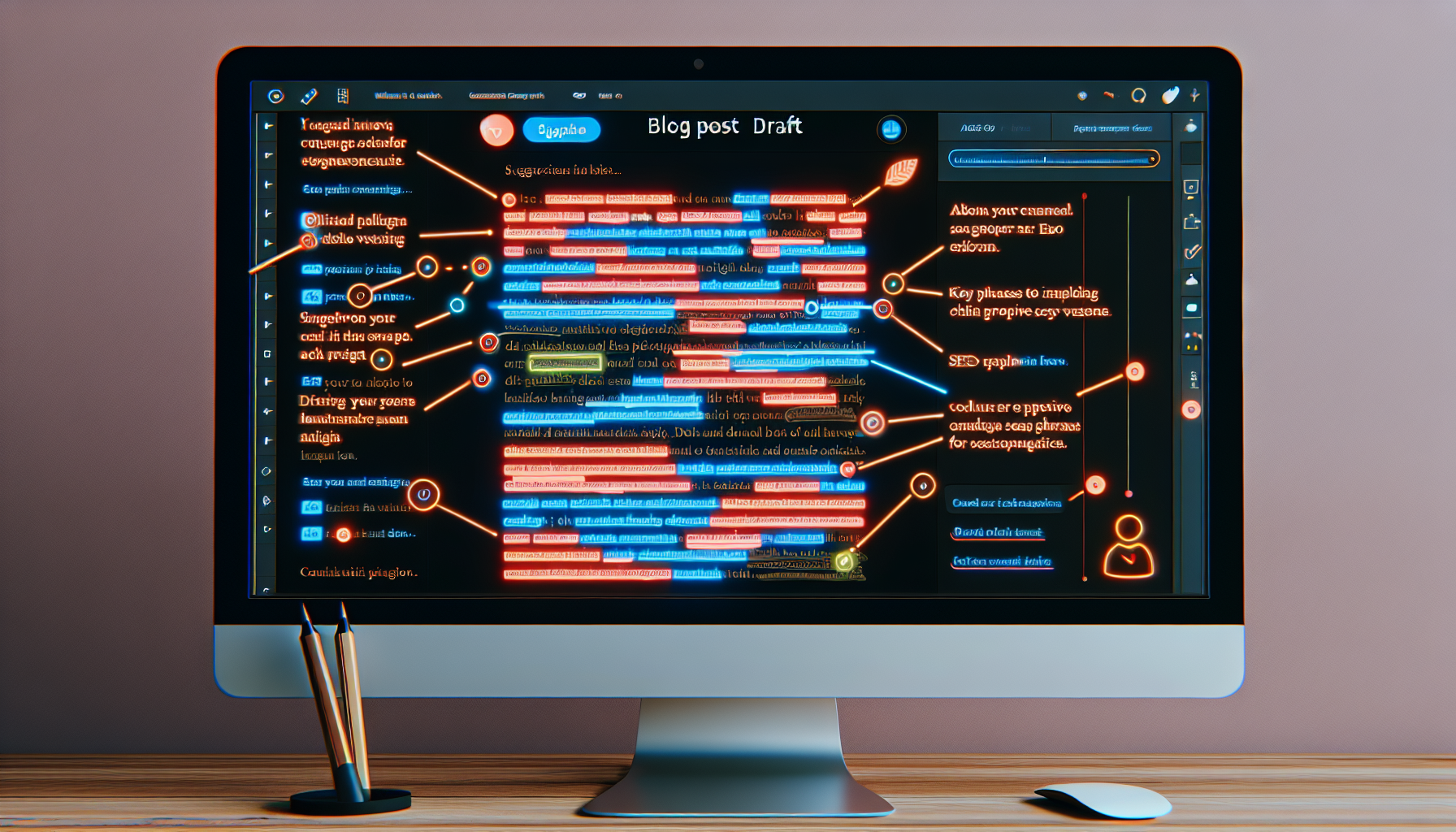
Latent Semantic Indexing (LSI) keywords are related terms that search engines use to understand the context of your content. Incorporating these keywords can improve your SEO performance. ChatGPT can assist in generating a list of LSI keywords relevant to your focus keyword.
By naturally integrating these keywords into your blog, you enhance its relevance and help search engines better understand your content’s topic. This approach not only increases your chances of ranking higher but also provides a better user experience by delivering content that aligns closely with what readers are searching for.
Be sure to use these keywords in various parts of your blog, including subheadings, body text, and meta descriptions, to maximize their impact.
Optimizing Blog Structure for Better Readability
An often-overlooked aspect of SEO is readability. Search engines favor content that’s easy to read and navigate. ChatGPT can help you structure your blog posts in a way that’s reader-friendly and engaging.
- Use short paragraphs and sentences to improve readability.
- Incorporate bullet points and lists to break down information.
- Use subheadings to guide readers through your content.
By focusing on these elements, you not only enhance user experience but also boost your SEO performance. Content that’s easier to read tends to be more engaging, leading to longer on-page time and lower bounce rates.
Leveraging ChatGPT for Content Ideas and Updates
Staying on top of trends and updating your content regularly is key to maintaining your blog’s relevance. ChatGPT can help you generate fresh content ideas by analyzing current trends and topics in your niche.
Whenever there’s a new development in your field, you can use ChatGPT to quickly draft a post covering the latest news. This agility can position you as a thought leader and keep your audience engaged.
Additionally, ChatGPT can assist in updating older blog posts to ensure they remain relevant and optimized for current search trends. This continuous improvement strategy is crucial for maintaining high search rankings over time.
Frequently Asked Questions
How does ChatGPT help with keyword research?
ChatGPT can generate a list of relevant keywords based on your input, helping you target the right terms for your content.
Can ChatGPT write an entire blog post for me?
Yes, ChatGPT can draft a complete blog post, but it’s advisable to edit and personalize the content to match your style and audience.
How can I use ChatGPT to improve my blog’s readability?
By using ChatGPT to create structured outlines and incorporate elements like short paragraphs and bullet points, you can enhance readability.
Is it necessary to update my blog posts regularly?
Yes, regular updates ensure your content remains relevant and optimized for current search trends, which is crucial for maintaining high rankings.
Conclusion
Using ChatGPT to write blog posts that rank on Google is an effective strategy for anyone interested in AI tools, automation, and passive income. By understanding SEO basics, crafting high-quality content, and leveraging ChatGPT’s capabilities for keyword research and content updates, you can enhance your blog’s visibility and engagement. Start integrating ChatGPT into your content creation process today and watch your blog climb the search engine ranks.